
Security cameras are one of the first things people think about when they want better protection for their property. This is where many people get stuck because some camera systems need wires to connect, while others use a wireless signal to send video. This is why knowing the real wireless vs wired security camera pros & cons can help you make the right choice. The right choice will help you avoid weak coverage and installation issues.
In this guide, you will learn what wired and wireless cameras are, how their pros and cons compare, and what to check before choosing the right setup for your home or business.
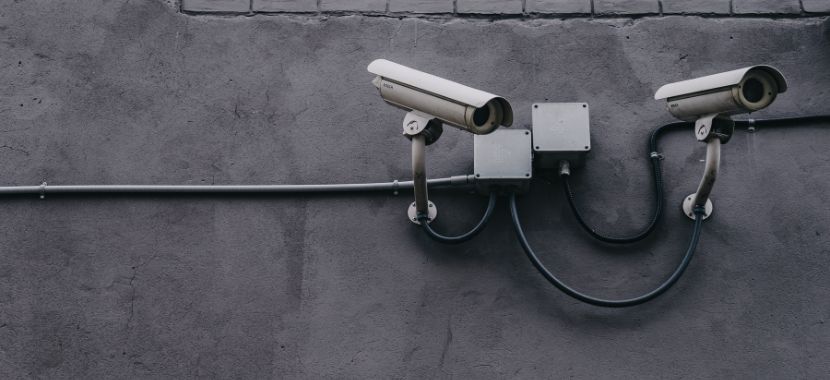
What is a Wired Camera?
A wired camera is a security camera that connects through cables. These cables send video from the camera to a recorder or network system. Some wired cameras also get power through the same Ethernet cable, which is known as a PoE setup.
Most wired cameras connect to a DVR, NVR, or PoE system. This helps you keep footage organized in one place and makes the system easier to manage. If you are comparing these setup types, our guide on CCTV vs. IP camera systems can help you understand the difference more clearly.
These wired cameras are normally used in homes, offices, stores, warehouses, and apartment buildings. They work well in places that need stable coverage and long-term security.
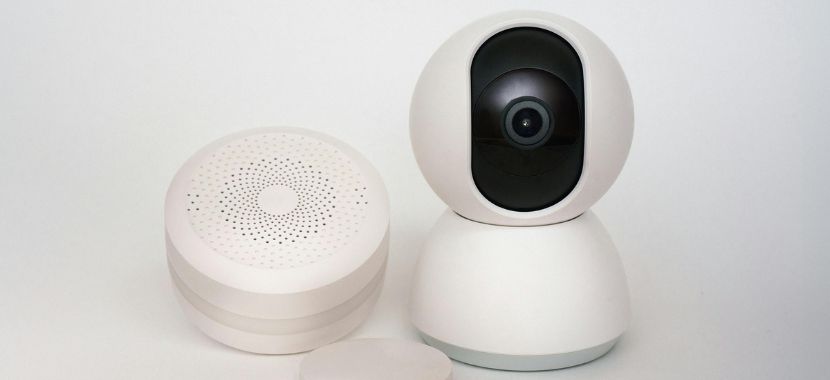
What is a Wireless Camera?
A wireless camera does not need a video cable to send footage. It ends the video through Wi-Fi or another wireless signal. Some wireless cameras still need a power cable. Others run on batteries. Battery-powered cameras are easier to place, but you need to charge them when the battery gets low. Many wireless safety cameras also work with mobile apps. You can watch live video, get motion alerts, and check recorded footage from your phone.
It is in homes, apartments, small offices, and rental spaces. Before picking a wireless home security camera system, you should know how they work. It will help you to understand more about wireless cameras.
Best Wireless vs Wired security camera pros & cons
A wireless and wired safety camera can help protect your home or business, but they are not the same. The right choice depends on your space, your budget, your internet strength, and how much security coverage you need. Another important thing is camera that works well for a small apartment may not be the best choice for a large home, store, or office.
This is why you should understand the real best wireless vs wired security camera pros and cons before you decide. To make the choice easier, let’s first look at the pros and cons of wired security cameras, then compare them with wireless security cameras.
Wired security camera pros & cons
Wired safety cameras are usually the better choice when reliability matters more than quick setup. They suit people who want steady recording, fewer signal issues, and a system that can stay in place for years. But like any security setup, wired cameras have both benefits and drawbacks. Here are the main wired safety camera pros and cons:
| Pros of Wired Security Cameras | Cons of Wired Security Cameras |
| They are less likely to lose signal because they do not depend on Wi-Fi for the camera connection. | They take more time to install because the cables need proper planning. |
| They work well for 24/7 recording in entrances, driveways, stores, and parking areas. | The upfront cost can be higher, especially with professional installation. |
| They usually give steady video quality because the connection is stable. | They are harder to move once the wiring is fixed. |
| They can get steady power through a power cable or a PoE setup. | They may need drilling, cable routing, or wall access. |
| They are a good fit for larger homes, offices, warehouses, and business spaces. | Poor cable planning can make the setup look messy. |
| They usually need less daily maintenance after installation. | They may not be ideal for rental spaces where wiring is not allowed. |
Wireless security camera pros & cons
Wireless cameras make sense when you want an easier setup and more control over where the camera goes. They are helpful in places where running cables would be difficult and costly. Before you choose one, it is worth looking at the real advantages and disadvantages of wireless CCTV cameras.
| Advantages of wireless CCTV camera | Disadvantages of wireless CCTV camera |
| They are easier to install because you do not need to run long video cables. | They rely on Wi-Fi, so a weak signal can affect the footage. |
| They are easier to move if you want to change the camera spot later. | Battery-powered models need charging from time to time. |
| They work well for apartments, rentals, and smaller homes. | Live video can lag when the internet is slow or crowded. |
| Many models let you check live video, alerts, and recordings from your phone. | Remote viewing may stop during an internet outage. |
| They are useful in areas where cable installation would be difficult or expensive. | Some cameras need a paid cloud plan to store more footage. |
| They can make the setup look cleaner, especially when fewer cables are needed. | Thick walls, distance, and other devices can weaken the signal. |
You should also know how to protect your home security cams before using them for daily monitoring, considering many of them use apps, Wi-Fi, or cloud storage.
How Do I Pick the Best Cameras for My Home?
The right camera setup depends on your home layout and the areas you want to protect. You can start with the main spots, such as your front door, back door, driveway, garage, and side entrances. Once you know which camera type fits your space, the next step is choosing where to place security cameras so your main entry points and blind spots get proper coverage.
Next, check the Wi-Fi signal and power access in each location. Wireless cameras work better where the signal is strong. Wired cameras make more sense in areas that need steady coverage or have weak Wi-Fi. Before choosing a camera, you should look for a few basic features:
- Clear video quality
- Night vision
- Motion alerts
- Weather resistance for outdoor areas
- Local or cloud storage
- Easy mobile access
- A clear camera angle
For many homes, a hybrid setup works best. This means using wired cameras in high-priority areas and wireless cameras where cable installation is difficult.
Final Thoughts
At this point, you have a clear idea of the main wireless vs wired security camera pros & cons. Both options can protect your property, but they do it in different ways. Remember, a home, store, office, or building may not need the same type of camera system. So, the best option really depends on your space.
If you are still not sure which setup is right for you, City Smart Systems NYC is here to help. After you request a free estimate, their team can help you set up wired, wireless, or a mix of the two types of CCTV cameras.
Frequently Asked Questions
What are the advantages and disadvantages of wireless CCTV cameras?
Wireless CCTV cameras have many benefits, such as being easy to install, easy to move, and simple to check from your phone. They work well for apartments, small homes, and rental spaces. The main downside is that they depend on Wi-Fi, which is why weak signal, low battery, or internet problems can affect video quality and alerts.
What are the main wireless vs. wired security camera pros and cons?
Wired cameras give you stable video, steady recording, and strong long-term coverage. They are a good choice for homes, offices, stores, and larger properties. On the other hand, wireless cameras are easier to install and more flexible to place. But they can be affected by Wi-Fi issues, battery life, and internet outages.
What should you look for in top wired security cameras?
Always look at some of the factors, such as clear video, night vision, motion detection, weather resistance, local storage, and remote viewing. For homes and businesses, you can go with PoE or NVR-based wired cameras because they support stable recording.
Do wired security cameras need internet?
Wired security cameras do not always need the internet to record video. Many systems can save footage to a DVR or NVR. You need internet for remote viewing, phone alerts, cloud storage, and checking footage when you are away.
Is it better to have wired or wireless security cameras?
Wired cameras are better if you need stable recording and long-term coverage. Wireless cameras are better if you want an easy setup and flexible placement. For many homes and businesses, using both can give better coverage.
Are wired security cameras better than wireless cameras?
Wired security cameras are a good choice for larger homes, stores, offices, and buildings. They are better when you need stable recording, strong video quality, and long-term coverage. While wireless cameras are better when you want easy setup, flexible placement, and mobile access.
Do wireless security cameras work without Wi-Fi?
Some wireless security cameras can record without Wi-Fi if they have local storage, such as an SD card. But most wireless cameras need Wi-Fi for live viewing, phone alerts, cloud storage, and remote access.
Are wired cameras harder to install?
Yes, wired cameras are usually harder to install than wireless cameras. They need cables for power, video, or network connection. They may also need drilling, cable routing, and proper camera placement. But once installed, they are usually more stable.
Which camera is better for outdoor security?
For outdoor use, wired cameras are better as you need steady recording and strong coverage. They work well for driveways, entrances, parking areas, and business properties.
Wireless cameras can also work outdoors if the Wi-Fi signal is strong and the camera is weather-resistant.
Can I use both wired and wireless cameras together?
Yes, you can use both wired and wireless cameras together. This is called a hybrid security camera setup. You can use wired cameras in important areas and wireless cameras where running cables is difficult. This gives you better coverage and more flexibility.