In most apartment buildings, there are always activities going on, with people entering and leaving, packages being delivered, and people using common areas all day. With that kind of daily activity, it’s not always easy to know what’s happening around entrances, hallways, parking areas, or package zones.
A surveillance camera system for apartments can make things easier, but only if they are set up with the space in mind. The setup should match how the building is used and cover the areas that matter.
In this guide, you’ll learn about different types of camera systems, where they should be placed, which features are actually useful, and whether a DIY setup or professional installation makes more sense for your apartment or building.
What Is a Surveillance Camera System for Apartments?
A security camera for apartments records video and lets you view live footage when needed. Many modern systems also let you check cameras from a phone, tablet, or computer. For apartments, this system helps monitor your own unit, building entry points, and approved shared spaces. It can work for a single apartment or a full residential building.
A small apartment may only need one or two cameras near the door, balcony, or main living area. On the other hand, a larger property may need a full apartment security camera system or apartment CCTV system to cover entrances, hallways, lobbies, parking areas, and package zones. The right setup depends on the size of the property, the security risks, and where cameras are legally allowed.
Types of Security Cameras for Your Apartment
Not every apartment needs the same camera setup. Some systems work better for small rental units, while others are better for large apartment buildings with shared spaces. Each type has its own use, setup style, and best-fit situation. The right choice depends on your property size, internet connection, wiring options, and how much coverage you need. The most common types of security cameras for apartments are given below:
Wired systems
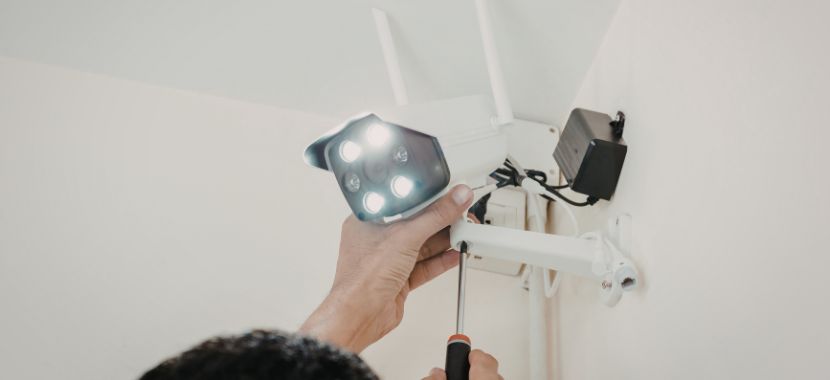
A wired security camera system uses cables to connect cameras to power and a recording device. This setup is reliable because it does not depend only on Wi-Fi. However, it usually needs professional installation, so it is better for landlords, property managers, or building owners than short-term renters.
It works well for apartment buildings that need stable and long-term coverage. These cameras are often used in fixed areas such as entrances, hallways, parking lots, and lobbies.
Wireless systems
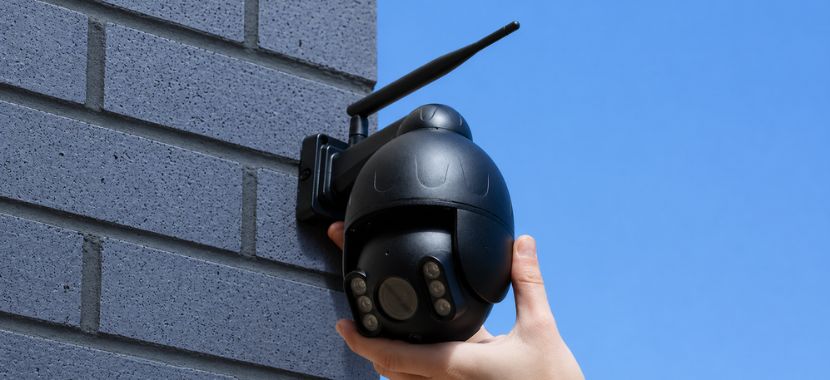
A wireless security camera system connects through Wi-Fi instead of long video cables. You can watch live video from your phone with many wireless cameras that include mobile watching. This configuration is typically simpler to install than a wired system because it requires less wiring.
However, it still depends on a strong internet connection and steady Wi-Fi coverage. It is a practical option for small apartments, rental units, and spaces where wiring is difficult.
IP cameras
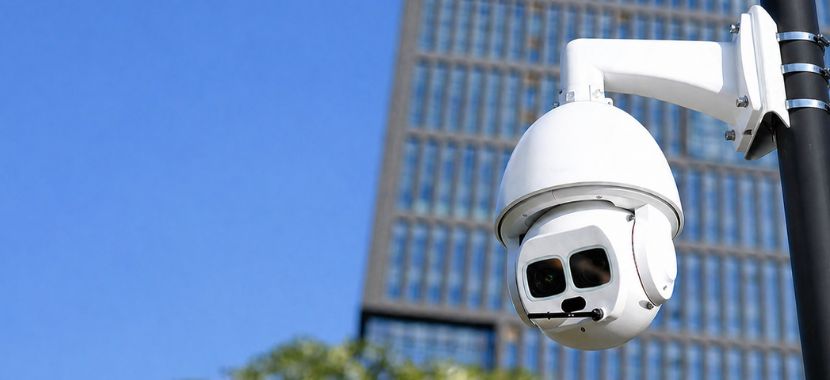
An IP camera system for apartments is useful if you want easier access to live and recorded video. These cameras send footage over the internet, so you can view the system on a phone, tablet, or computer when remote access is enabled. They also offer clear video, flexible storage, and simple camera management from one place. This type of setup often works well for modern apartments and larger residential buildings.
Some buildings may also use CCTV systems for continuous recording in shared areas. CCTV for apartments is common in entrances, elevators, stairwells, and parking spaces. Depending on the setup, CCTV cameras can be wired or IP-based.
If you are comparing different options, our guide on how to choose CCTV systems in NYC can help you understand which setup may fit your apartment or building better.
Where to Install Surveillance Cameras in Apartments
You should not place cameras randomly because proper apartment security camera placement helps you cover the most important areas. Each camera should have a clear purpose. Normally, a camera works best when it is placed where people enter, leave, or pass through often. The best camera locations for apartment buildings usually need to be:
- Entrances and exits: Front doors, back doors, and side entrances should be covered first. These spots show who comes into the building and who leaves.
- Hallways and lobbies: Hallways and lobbies are very important as it is regularly used by residents, guests, and delivery people throughout the day. Cameras in these areas can help building owners check complaints, damage, or unusual activity.
- Elevators and stairwells: In multi-floor buildings, elevators and stairwells need extra attention because they are enclosed and not always supervised. Cameras here can give a clearer record if something happens.
- Parking areas: Parking lots and garages are useful places for cameras because vehicles, gates, and walking paths can be harder to monitor in person.
- Mail and package areas: Mailrooms and package drop-off areas should be watched because deliveries are often left unattended. A camera can help confirm when a package arrived and what happened afterward.
If you want more ideas before choosing the final spots, our guide on where to place security cameras can help you plan the setup more clearly.
Key Features to Look for Before Buying an Apartment Camera System
Before buying an apartment camera system, What makes one method better than another is something that you should know. The right choice depends on your space, security concerns, and how you plan to use the system. A small apartment may need a simple setup, while a larger building may need more reliable coverage in shared areas. To make the right decision, look at the main features that affect daily use, video performance, and long-term reliability:
Video quality
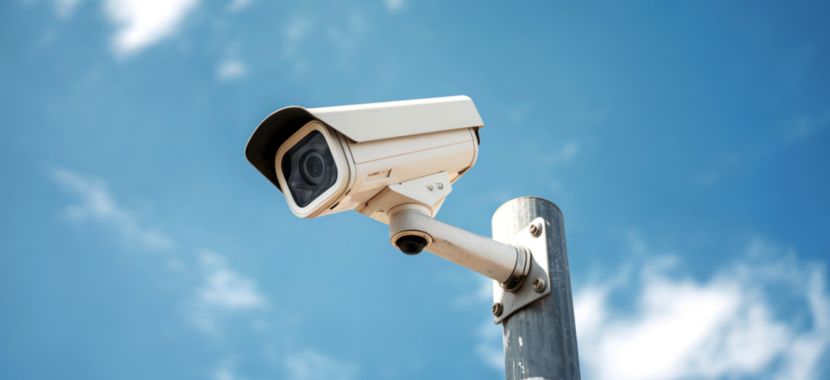
Clear video quality should be one of the first things you check before buying an apartment camera system. If the footage is blurry, it may not help much when you need to see a face, package, vehicle, or entry point.
For most apartments, HD video is a good starting point. But for larger areas like parking lots, lobbies, and main entrances, you may need higher resolution cameras. These areas usually have more movement and more distance, so better video quality can make a real difference.
Night vision
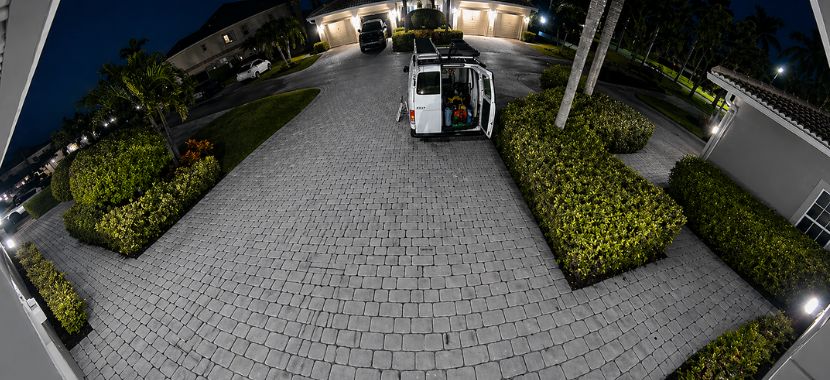
Before choosing a camera, think about where it will be installed and how much light that area gets at night. If your priority is to monitor places like stairwells, parking areas, side entrances, or outdoor corners, then a night vision camera is a must.
A camera with night vision can still record usable footage after dark. This is helpful because security issues do not only happen during the day.
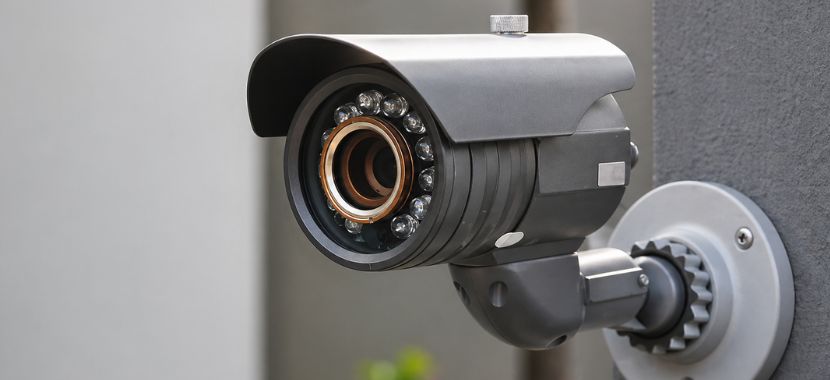
Motion detection
For an apartment camera system, motion detection is a practical feature because it can start recording when movement is detected, depending on the system settings. This feature is helpful for areas where activity matters most, such as front doors, package rooms, parking areas, and building entrances. It can also help you find important clips later on since there is also less footage to look through.
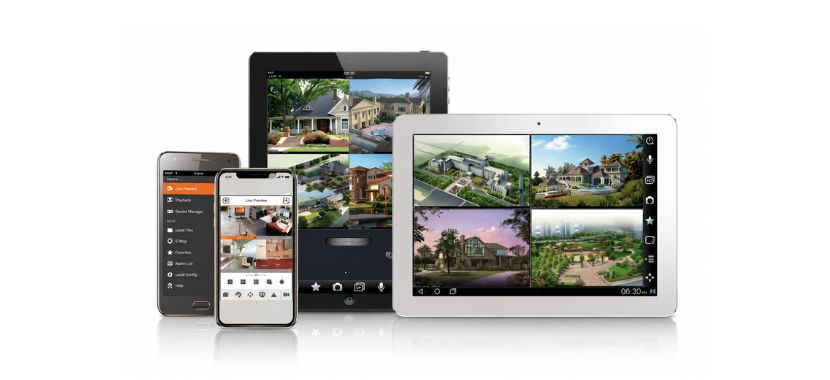
Remote access
Remote access is a very useful feature because it allows to view camera footage from a phone, tablet, or computer. This means if your camera has a remote access feature, then you can check live or recorded video even when you are not at the apartment.
But for apartment systems, remote access should be set up carefully. Only authorized users should be able to view the footage to maintain privacy and security.
Storage options
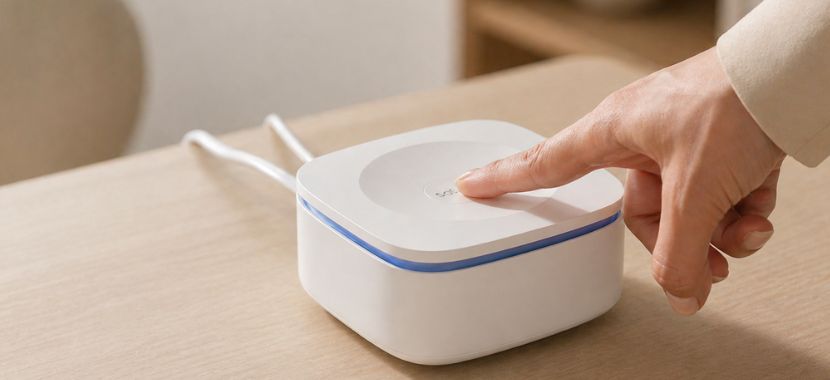
Once you know what the camera can capture, the next thing to consider is how and where that footage will be stored. Storage matters because your camera system needs a reliable place to save footage, and without it, you may not be able to review video when something happens.
Some apartment camera systems use local storage, such as a DVR or NVR, while others use cloud storage where footage is saved online. The right option depends on the number of cameras, your internet connection, and how long you want to keep the recordings. For apartments, it is better to choose storage that is secure, reliable, and easy to manage.
DIY vs Professional Installation for Apartments
Before setting up an apartment camera system, it’s important to decide whether a DIY setup will be enough or if a professional installation makes more sense for your space. The right choice depends on the size of the apartment and how complex the system is.
For small apartments, a DIY setup can work well. Wireless cameras are usually easier to install and do not require much technical work. This option is often suitable for tenants who need basic monitoring inside their unit.
A professional service like video security camera installation might be a good idea for apartment buildings with more than a few units because a full system may include multiple cameras, proper wiring, storage setup, and secure access control. This will help you to ensure proper camera placement, system setup, and long-term performance without guesswork.
Final Thoughts
At the end, we can say that a surveillance camera system for apartments works best when it’s suited to your space. You can make an effective setup by paying attention to the right system, where it goes, and its key features.
If you want a well-planned residential security camera system installation, you can contact City Smart to get a solution that fits your needs.
Frequently Asked Questions
1. What is the best camera for an apartment door?
The best camera for an apartment door is usually a video doorbell or a compact indoor camera placed near the entrance. Always look for features like HD video (at least 1080p), motion alerts, and mobile access. For renters, wireless models are a better choice as to install it, you dont need drilling or wiring.
2. Are wireless security cameras good for apartments?
Yes, wireless security cameras are a good option for apartments because they are easy to install and do not require complex wiring. They’re good for renters who need an open setup. However, they depend on a stable Wi-Fi connection, so performance can drop if the signal is weak.
3. What features should an outdoor surveillance camera for apartments have?
An outdoor camera should be weather-resistant (IP-rated), support night vision, and provide clear video in different lighting conditions. Motion detection and a wide viewing angle are also useful for covering areas like entrances, parking areas, and building exteriors.
4. What is the best surveillance camera system for apartments overall?
For most apartments, a wireless or IP-based camera system with HD video, motion alerts, and mobile access works best. A small apartment may only need a few cameras, while larger buildings may require multiple cameras with central storage like an NVR or DVR.
5. How much does a surveillance camera system for apartments cost?
The cost depends on the number of cameras, the type of system, and the installation method, but the typical cost of a surveillance camera system for apartments is between 200$ to 1000$. A basic setup with one or two wireless cameras may cost less, while a full building system with multiple cameras, storage, and professional installation can cost significantly more.
6. What is the best wireless surveillance camera system for apartments?
The best wireless system should have some of the qualities, such as offering stable connectivity, clear video (1080p or higher), and reliable mobile access. Moreover, it should be easy to install and suitable for your apartment size. Systems with local storage options can also help avoid monthly subscription costs.
7. Can tenants install outdoor security cameras in apartments?
Tenants can install outdoor cameras, but it depends on the lease agreement and building rules. Cameras should not cover shared areas or other tenants’ private spaces without permission. It’s always better to check with the landlord or property manager before installing cameras outside the unit.
8. What is the best security camera for an apartment without a subscription?
Cameras that support local storage, such as SD cards or NVR/DVR systems, are the best option without a subscription. These cameras will allow you to record and review footage without monthly fees while still offering basic features like motion detection and video recording.