If you’re searching for how to choose CCTV systems in New York, you’re probably stuck in the same place most people are. I mean, you may be confused because there are too many options available in the market, and every brand claims it’s the best. The truth is, you don’t need the “most expensive” system. You need the right one for your space. A good setup covers the areas that matter!
In this post, I’ll break it down step by step. You’ll learn what a CCTV system is, the most common options used in New York, and how to choose the right setup without wasting money. I’ll also share simple CCTV setup examples for NYC apartments, homes, and businesses.
What is cctv system?
A CCTV system is a private video surveillance system that records activity inside or around your property. A standard system includessecurity cameras, a recorder, storage, and a way to view the footage. Analog systems record through a DVR using coax cables, while IP camera systems record through an NVR over a network connection. The main difference affects video quality, wiring, and system flexibility.
The recorder stores the video on a hard drive so you can review it later. The footage is not public. Only you or authorized users can access it. In New York, CCTV systems are commonly installed at building entrances, storefronts, lobbies, hallways, and package areas.
Types of CCTV systems (what you can choose in New York)
When you compare CCTV systems in New York, you will see a few common setups. Each system solves a different problem. What works best comes down to your layout, how easy wiring is in your building, and how dependable you want the recording to be. Here are the main CCTV system options people use in New York and where each one works best:
1. PoE CCTV camera system (IP cameras)
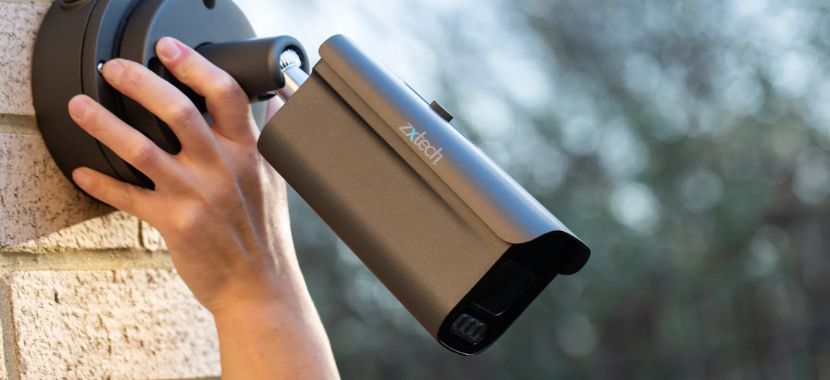
A PoE CCTV camera system uses one Ethernet cable to power the camera and transmit video. It records through an NVR. This setup is stable and reliable. It is ideal for consistent performance and clear footage. If you want a long-term camera, then PoE is a better choice.
Many NYC businesses choose PoE for storefronts, offices, and apartment buildings. It performs well in long hallways and entry points where steady recording matters. You can also add more cameras later on without having to buy a whole new setup.
2. DVR CCTV camera systems (analog cameras)
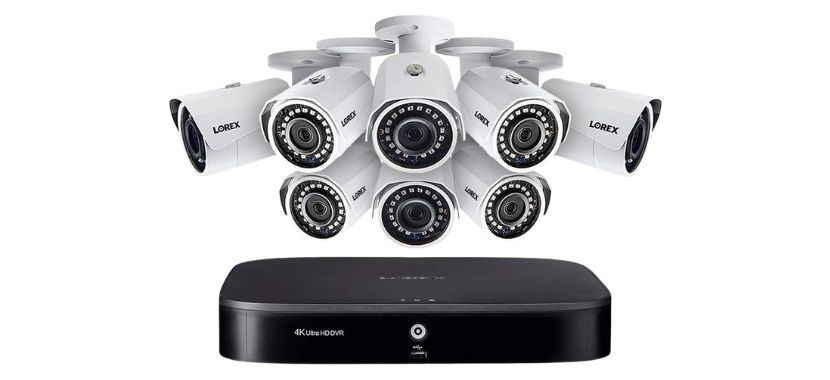
A DVR CCTV camera system uses coax cables and records to a DVR. Although it’s usually cheaper, the video quality can still be good. For basic coverage, DVR systems are still a good choice.
This system works well in smaller stores or simple home setups. If your home already has coax wiring, that can also be helpful because it may reduce the time and cost of installation.
3. Wireless CCTV systems
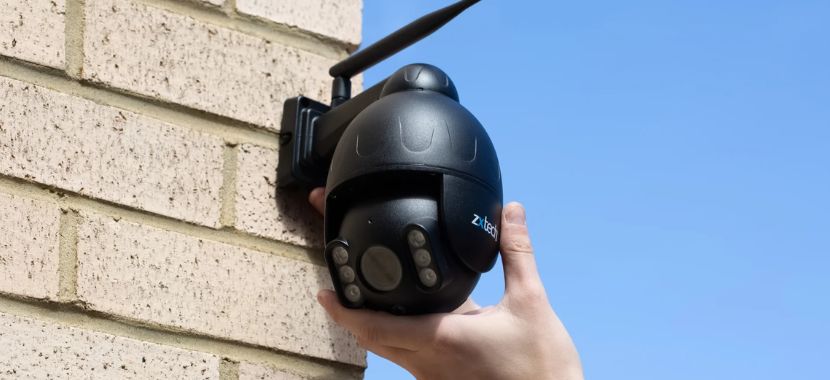
Wireless cameras connect through Wi-Fi instead of cables. They are easier to install in small apartments where running wires is difficult.
However, buildings in New York City commonly have thick walls and overcrowded WiFi networks, which can lead to weak signals that affect live viewing or alerts. For that reason, wireless systems are best for small setups with strong internet. So, if reliability is your main concern, then you should go with wired systems.
If you want to learn more about each camera style and how they compare, you can also read our detailed guide on different types of CCTV camer in to understand what works best for your space.
How to choose CCTV systems in New York
If you’re trying to figure out how to choose a security camera system in New York, start with your property, not the product, because In New York City, apartments, shops, and mixed-use buildings all have different floor plans. The kind of security cameras you need should depend on the size of your place, how busy it is, and the real risks you face. Follow these steps before purchasing a CCTV system in New York City:
1. Coverage needs
Start with the obvious. You don’t need cameras everywhere instead, you need them where incidents are most likely to happen. In my recommendation, cover entry points first. Then close any clear blind spots.
In most NYC properties, that means the front door first. Then look at package areas, lobbies, hallways (if allowed), back doors, and loading zones. If you run a store, include the cash register and stockroom.
2. Budget
The number of cameras you require and the difficulty of the installation will affect your budget. So set a range early as it will help you make a sensible choice. Beyond that, it will stop you from purchasing a system that isn’t perfect for your property but looks excellent on paper.
Wired systems cost more upfront because of cabling and labor. Wireless systems may cost less to install, but they depend heavily on Wi-Fi strength.
3. Placement
Even the best Security camera system camera won’t help if it’s placed poorly, because bad placement leads to useless footage. That’s why you should set up cameras at entrances where they can clearly capture faces.
Once you pick the spot, mount the camera high enough, which will helps prevent tampering. Then fine-tune the angle so it records faces, not the top of someone’s head or an empty ceiling.
4. System type (wired vs wireless)
Now decide how the system connects. A wired setup, such as a PoE Video monitoring system, uses Ethernet cables and records through an NVR. This type of video surveillance system is stable and works well for businesses and multi-camera properties.
In comparison, wireless security cameras use Wi-Fi to connect. They are easier to install in smaller apartments. However, thick walls and network congestion in NYC buildings can affect performance.
5. Video quality
Clear footage matters more than anything. So proper placement and lighting are essential. However, high-resolution security cameras also improve evidence quality. Always select a resolution that helps you to identify faces at points of entry.
For stores, make sure the checkout area is sharp and easy to review. If you monitor a driveway or loading dock, then choose cameras that capture detail at a distance.
6. Storage
Every security camera system needs storage. Local recording uses a DVR or NVR with a hard drive.It continues recording even if your internet connection drops, which is why many NYC property owners prefer it for reliability.
Cloud storage saves footage online. It provides remote access from your computer or phone. It usually comes with a subscription fee and depends on internet stability.
7. Power backup
Power cuts happen in New York, and when they do, your Video security system can shut down unless it has backup support. If the cameras stop recording during an outage, you will lose coverage at the exact moment you may need it most.
This is why to install a UPS or battery backup. It will keep your security camera system operational during brief power outages and guarantee uninterrupted video.
If your cameras go offline during an outage, you may also notice missing clips or gaps in playback. If that’s happening, read our guide on what causes video loss in security cameras to understand the most common reasons and fixes.
When you understand your coverage, budget, connection type, video quality, and storage needs, choosing the right CCTV system will become simple. And once you’ve selected the right system, the next step is proper setup. You can follow our detailed security camera installation guide for NYC.
Best CCTV setups for NYC apartments, homes, and businesses
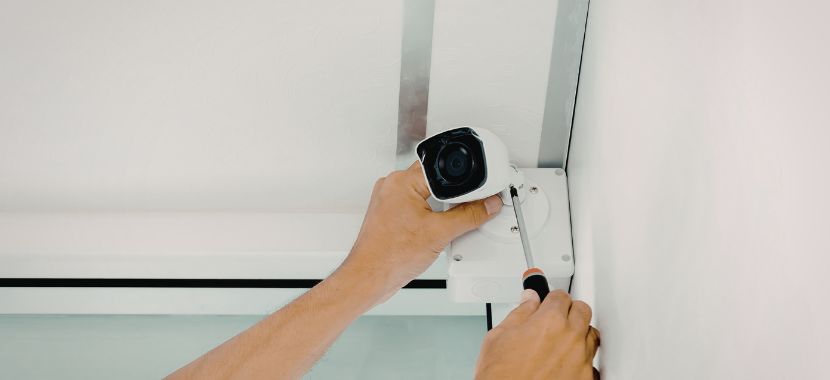
Security needs change based on your property type. An apartment needs focused coverage. A retail store needs theft prevention. A building needs broader monitoring. Here’s a simple recommended setupfor each property:
1. Apartment setup (small and simple): Wireless systems can work in small spaces with strong Wi-Fi. For better reliability, a small PoE system with 1–2 cameras is stronger. Always focus on a clear face capture at the door. That is the highest-risk area. Recommended setup:
- 1 camera at the front door
- Optional: 1 indoor camera covering the entry path
- Optional: video doorbell for packages
2. Home setup (more coverage): Houses or larger units need more angles. A PoE Surveillance system works well here. It gives stable video and supports multiple cameras. Always choose cameras with strong night vision for outdoor areas. Recommended setup:
- Front door camera
- Back door or yard camera
- Driveway camera (if applicable)
- Optional indoor coverage
3. Small business setup (theft prevention): Retail stores and offices need clear evidence. It’s the reason a wired PoE system is usually the best option. It handles multiple cameras and records continuously without signal drops. Make sure faces are clear at checkout areas. Recommended setup:
- Main entrance camera
- Cash register or reception camera
- Stockroom camera
- Back door or loading area camera
4. Multi-unit building setup (shared areas): Buildings require structured coverage. For this reason, a wired system with local NVR recording is typically more reliable for multi-camera buildings. Recommended setup:
- All building equipment/mail area
- Stairwell or hallway (if permitted)
Plan placement carefully. Avoid pointing cameras into private spaces.
Final Thoughts
Now you know how to choose CCTV systems in New York in a practical way. The next step is making sure your system is installed cleanly and works reliably day to day.
If you want help from a pro, then City Smart System NYC is ready to can handle it. We have been providing Smart Security Systems Installation & Automation in NYC for years. Our work includes access control, networking, audio and video, home automation, video surveillance, and commercial and industrial security solutions. So contact us and let’s talk about your project!
Frequently Asked Questions
How to set up a CCTV camera system?
To set up a CCTV camera system, follow the method below:
- Start by placing cameras at main entrances and high-traffic areas.
- Mount them high and angle them to capture faces clearly.
- Connect wired cameras to a DVR or NVR, or connect wireless cameras to Wi-Fi and the mobile app.
- Test live view and recording before finalizing placement.
How to choose CCTV systems for home?
To choose a Video surveillance system for the home, focus on entry points first. Decide between wired systems for reliability or wireless systems for easier installation. Look for clear video resolution, night vision, and storage options that fit your needs. Most importantly, select a system that matches your home layout and internet strength.
What is the best outdoor security camera system?
The best outdoor security camera system has some good qualities, such as being weather-resistant, having strong night vision, and providing clear motion alerts. PoE wired systems are usually more stable outdoors. Wireless outdoor cameras can work well if your Wi-Fi signal reaches outside without drops.
What is the best home security camera without a subscription?
The best home security camera without a subscription uses local storage. DVR or NVR systems record footage directly to a hard drive with no monthly fee. Some cameras use SD cards, but full recorder systems usually offer better reliability and longer storage capacity.
Can a wireless security camera system offer remote viewing?
Yes, most wireless security camera systems allow remote viewing through a mobile app. You can watch live footage and review recordings from your phone or computer. Performance depends on your internet speed and Wi-Fi signal strength.
What is the best DIY security camera system?
The best DIY security camera system is usually a simple wireless kit with easy setup instructions. It works well for small homes with one to three cameras. Larger properties or multi-camera systems often require wired installation for better long-term reliability.
What types of security cameras are best for homes?
The most common types of security cameras for homes include video doorbells, indoor dome cameras, and outdoor bullet cameras. Dome cameras are discreet for indoor use. Bullet cameras are better for longer outdoor coverage. Therefore choose based on location and lighting conditions.
What are the best outdoor security cameras without a subscription?
The best outdoor security cameras without a subscription use local recording through an NVR, DVR, orSD card. This avoids monthly fees and keeps footage available even during internet outages. Always go with a weather-rated camera with strong night vision for consistent outdoor performance.